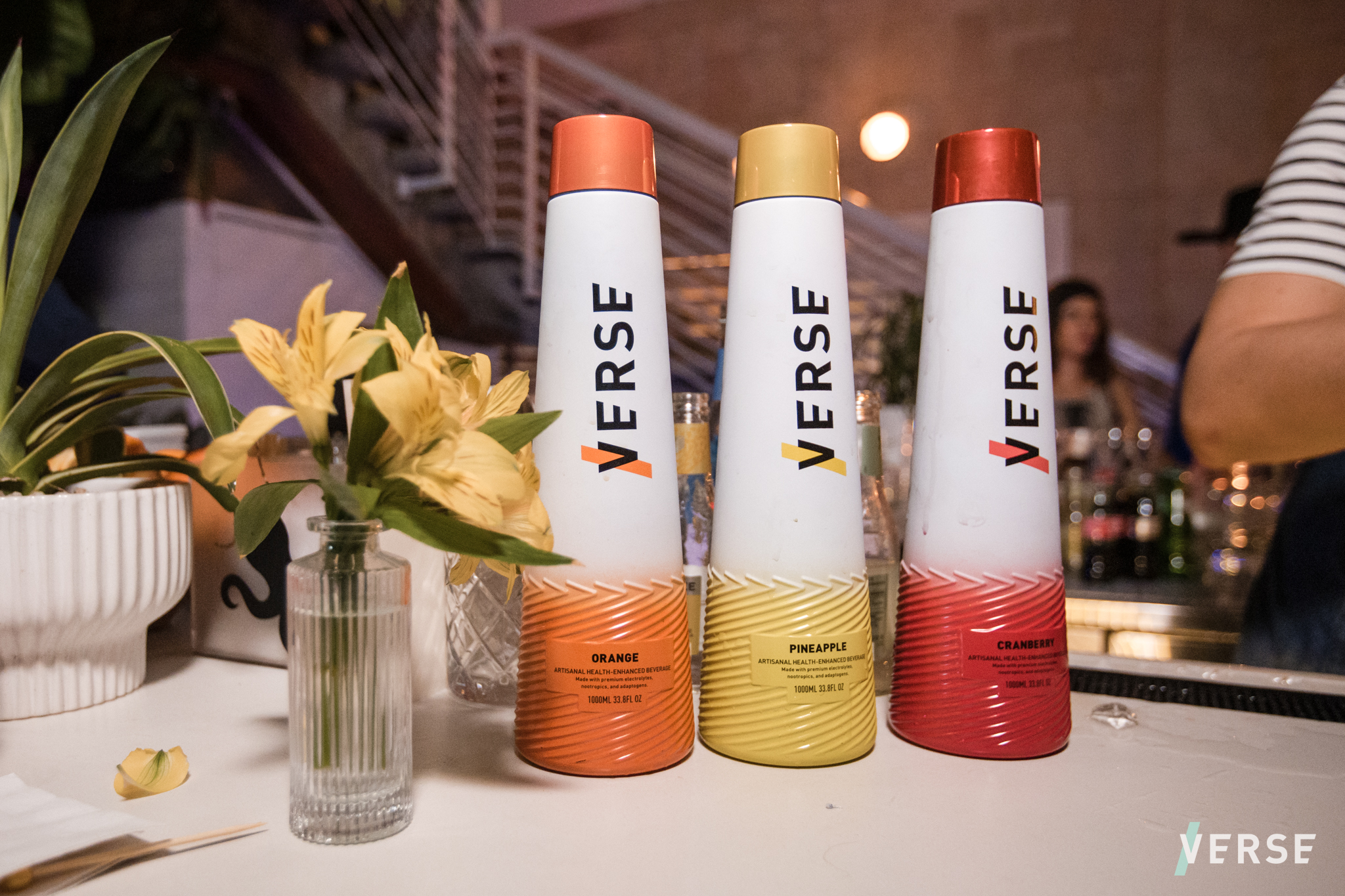
A wedding bar used to be defined by how much alcohol it served. Today it’s defined by how well it supports the experience.
Couples are designing bars that feel intentional, inclusive, and visually cohesive with the rest of the event. Non-alcoholic options are no longer an afterthought tucked into the corner. They’re part of the main program.
When done thoughtfully, a zero-proof bar can feel just as celebratory as a traditional one while offering guests more ways to participate comfortably.
Guests encounter the bar visually before they taste anything. The most successful zero-proof bars begin with presentation.
Planners often focus on:
• glass bottles instead of cans
• cohesive color palettes that match florals and linens
• simple, legible drink menus
• intentional glassware choices
• garnishes that photograph well
When the bar looks curated, guests assume the drinks will be too. That first impression removes any sense that the experience is secondary.
Offering too many mocktails can feel scattered. Two or three well-designed drinks usually create a stronger impression.
Common approaches include:
• a citrus-forward welcome drink for arrival
• a botanical or herbal signature drink for the reception
• a celebratory toast option served to all guests
This structure keeps service efficient while still giving the bar personality.
Weddings often stretch across several hours, and many include multiple events across a weekend. Drinks that feel refreshing early in the evening and still appealing late at night tend to perform best.
Hydration-friendly beverages, light botanical builds, and clean flavor profiles generally hold up better than overly sweet mocktails. They keep guests comfortable while still feeling festive.
One challenge planners run into is managing separate ingredients for alcoholic drinks, non-alcoholic drinks, and late-night refresh options.
Using a versatile base ingredient can streamline that process.
Functional mixers like Verse are increasingly used because they can:
• be served on their own as a welcome drink
• anchor a signature non-alcoholic cocktail
• support low-alcohol builds for guests who want lighter options
• double as a late-night hydration drink
That flexibility reduces the number of separate products needed behind the bar while keeping the drink menu cohesive.
It also helps bartenders maintain speed of service once the dance floor fills.
The toast still holds symbolic importance in weddings, even when alcohol isn’t the focus.
Couples often choose one drink to serve simultaneously to all guests. This can be:
• a sparkling non-alcoholic option
• a signature citrus drink poured tableside
• a bottle-service style presentation for the head table
The shared moment tends to matter more than the alcohol content.
Wedding guests notice when details feel personal. Beverage choices are part of that story.
Some couples lean toward botanical profiles inspired by travel. Others prioritize clean ingredients or hydration-friendly options that match their everyday habits.
When the drink program reflects how the couple actually lives, it tends to feel more authentic and memorable.
The strongest wedding bars today aren’t defined by what they exclude. They’re defined by how seamlessly they support the atmosphere, design, and guest experience.
Thoughtful presentation, a concise menu, and drinks that work across multiple moments of the event usually matter more than whether alcohol is central to the program.
For planners and couples alike, that shift opens the door to a bar that feels intentional rather than obligatory.
Find VERSE nearby at trusted bars, restaurants, lounges, and other destinations that offer outstanding hospitality to be the first at the table.
Not Everywhere. Just the Right Places.
